Business Opportunities

Business Overview

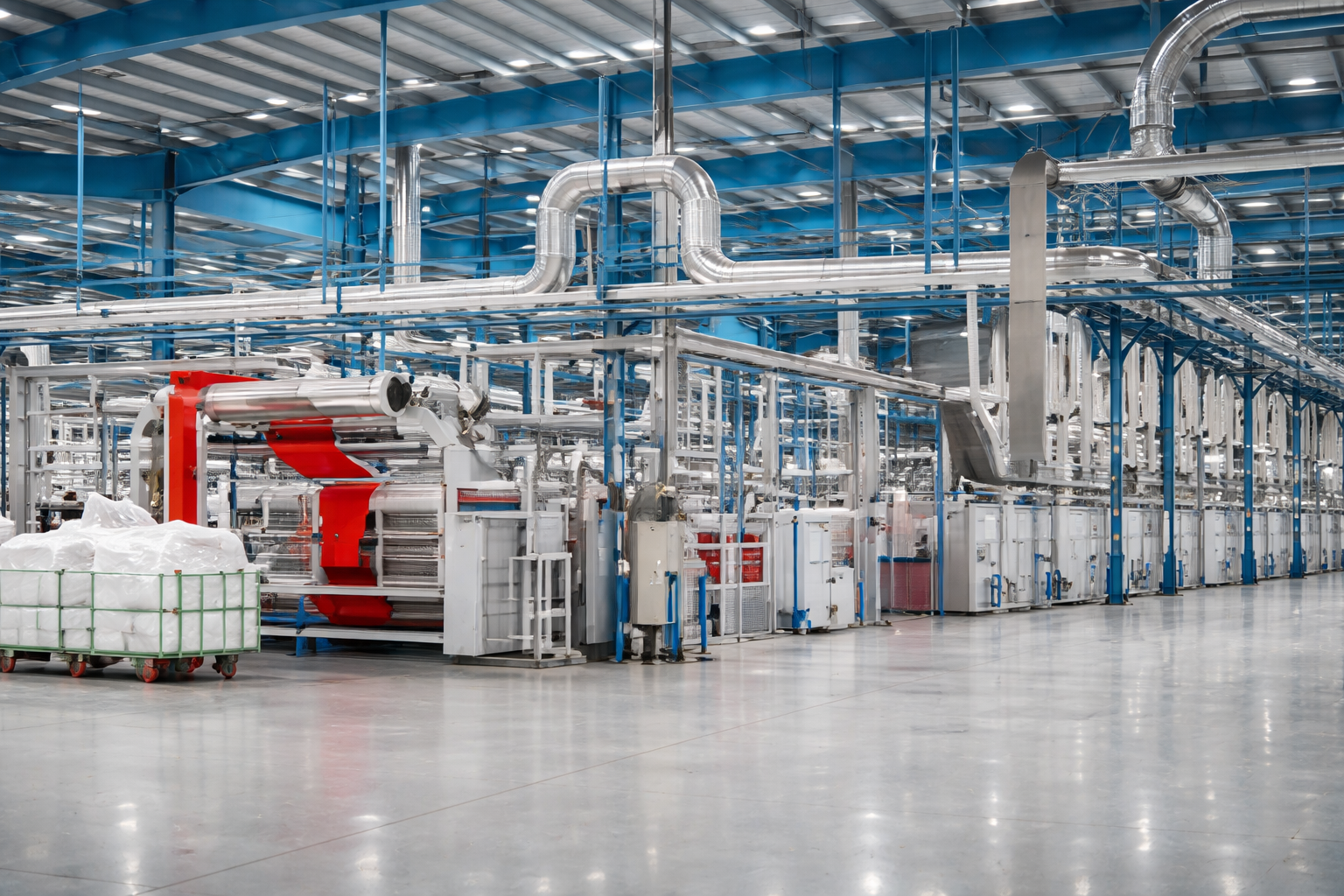
The City of Kadoma offers significant opportunities for the manufacturing industry, leveraging its strategic location along the Harare-Bulawayo highway and its proximity to key agricultural and mining hubs. The city provides a conducive environment for industries such as food processing, textiles, metal fabrication, and construction materials production, driven by the availability of raw materials like cotton, gold, and granite. With growing demand for locally manufactured goods, coupled with Kadoma’s efforts to improve infrastructure and attract investment, the city is well-positioned to become a manufacturing hub. Investors can benefit from Kadoma’s skilled labor force, affordable operational costs, and access to both domestic and regional markets.
Opportunities
Responsible Persons

Town House

Call

+263 682122044-6/+263 682122044-6

Email

pr@kadomacity.org.zw

Food Processing

Kadoma’s proximity to agricultural zones makes it ideal for food processing industries, such as milling, canning, and dairy production. These industries not only add value to raw produce but also cater to the growing demand for processed foods in local and regional markets.

Business Opportunity Details

Manufacturing Opportunities in the City of Kadoma

The City of Kadoma is strategically positioned to become a manufacturing hub in Zimbabwe, thanks to its advantageous location, abundant resources, and growing market potential. Below are the key areas of opportunity in the manufacturing sector:

Strategic Location

Kadoma lies along the Harare–Bulawayo highway, one of Zimbabwe’s busiest trade corridors, facilitating easy transportation of goods and raw materials to and from major cities. Its central position also provides access to both domestic and regional markets, including neighboring countries within the Southern African Development Community (SADC).

Availability of Raw Materials

Kadoma is surrounded by rich agricultural and mining areas, offering abundant raw materials for manufacturing industries:
Agriculture: The region produces cotton, maize, and soybeans, which can be processed into textiles, cooking oil, and animal feed.
Mining: Gold and other minerals extracted in the area provide opportunities for metal fabrication, jewelry production, and other value-addition processes.
Quarrying: The availability of granite and other construction materials supports industries producing tiles, bricks, and cement.

Sector 01
Textile and apparel industry
The city's access to cotton and its historical ties to the textile industry position it as a prime location for the revival of textile manufacturing. Opportunities exist in spinning, weaving, garment production, and exporting finished products to international markets.
Sector 02
Construction materials production
With increasing urbanization and infrastructure development in Kadoma and surrounding areas, there is a growing demand for construction materials such as cement, bricks, roofing sheets, and steel products. Manufacturing these materials locally can reduce costs and stimulate job creation.
Sector 03
Metal fabrication and machinery
The mining and agricultural sectors require equipment, tools, and machinery, creating opportunities for local metal fabrication industries. This sector can cater to both local demand and export markets.
Sector 04
Skilled workforce and industrial support
Kadoma boasts a skilled and semi-skilled labor force, supported by technical training institutions in the region. The city's leadership is also focused on improving infrastructure, including reliable electricity, water, and transport networks, to attract and sustain industrial growth.
Sector 05
Incentives for investors
The City of Kadoma is actively seeking to attract investment through favorable policies, including tax incentives, land allocations for industrial development, and streamlined business registration processes. Additionally, government initiatives promoting local production under the Zimbabwe National Development Strategy (NDS1) align with Kadoma's vision for industrial growth.
Processing Companies
Kadoma offers immense potential for processing industries, leveraging its access to raw materials from agriculture, mining, and forestry. The city’s agricultural sector provides opportunities for food processing, such as maize milling, oil extraction from soybeans, and fruit and vegetable canning, while cotton production supports ginning, spinning, and textile manufacturing. Additionally, mining activities create prospects for mineral processing, including gold refining and the production of industrial chemicals, while the availability of granite and timber supports the production of construction materials and furniture. Strategically located along the Harare-Bulawayo highway, Kadoma is ideal for processing industries targeting local and regional markets, with growing demand for value-added products.
The City of Kadoma is a prime location for processing industries, leveraging its rich agricultural, mining, and forestry resources to support value-addition initiatives.
Agricultural processing
Food processing
The region produces maize, soybeans, and other crops that can be processed into mealie-meal, cooking oil, and animal feed. Rising demand for packaged and processed foods in local and export markets further enhances this opportunity.
Cotton processing
Cotton farming provides opportunities for ginning, spinning, and textile production. By-products like cottonseed oil and cottonseed cake can be processed for cooking oil and livestock feed respectively.
Horticultural processing
Fruits and vegetables grown in surrounding areas can be processed into canned goods, dried products, or juices, catering to both domestic and regional demand.
Mining-related processing
Gold refining
Gold mining in the region can be complemented by local refining facilities to produce higher-value gold products for export.
Granite processing
Abundant granite in Kadoma can be processed into polished slabs, tiles, and other construction materials, reducing reliance on imported products.
Other minerals
Potential exists for processing minerals such as chrome and lithium into exportable, high-value forms.
Forestry and wood processing
Timber processing
Logs can be processed into sawn timber for furniture and construction.
Paper and pulp
Forestry by-products can support the production of paper, packaging materials, and pulp.
Furniture production
With increasing urbanization, there is a rising demand for locally made furniture for households and businesses.
Construction materials processing
Cement and bricks
Processing limestone and clay into cement and bricks to meet the city's infrastructure needs.
Roofing and flooring materials
Producing tiles, roofing sheets, and other finishing materials to serve growing urban development.
Small-scale and niche processing
Honey processing
The region's beekeeping activities can be scaled to produce processed honey, beeswax, and other by-products.
Dairy processing
Local milk production can support the establishment of small-scale dairies producing cheese, yogurt, and powdered milk.
Herbal and medicinal processing
Indigenous plants in the area can be processed into herbal remedies and cosmetics.
Strategic location and market access
Highway access and SADC market reach
Kadoma's location along the Harare–Bulawayo highway provides easy access to transportation networks, facilitating the supply of raw materials and distribution of finished products. The city's proximity to both local and regional markets within the SADC region enhances its appeal as a processing hub.